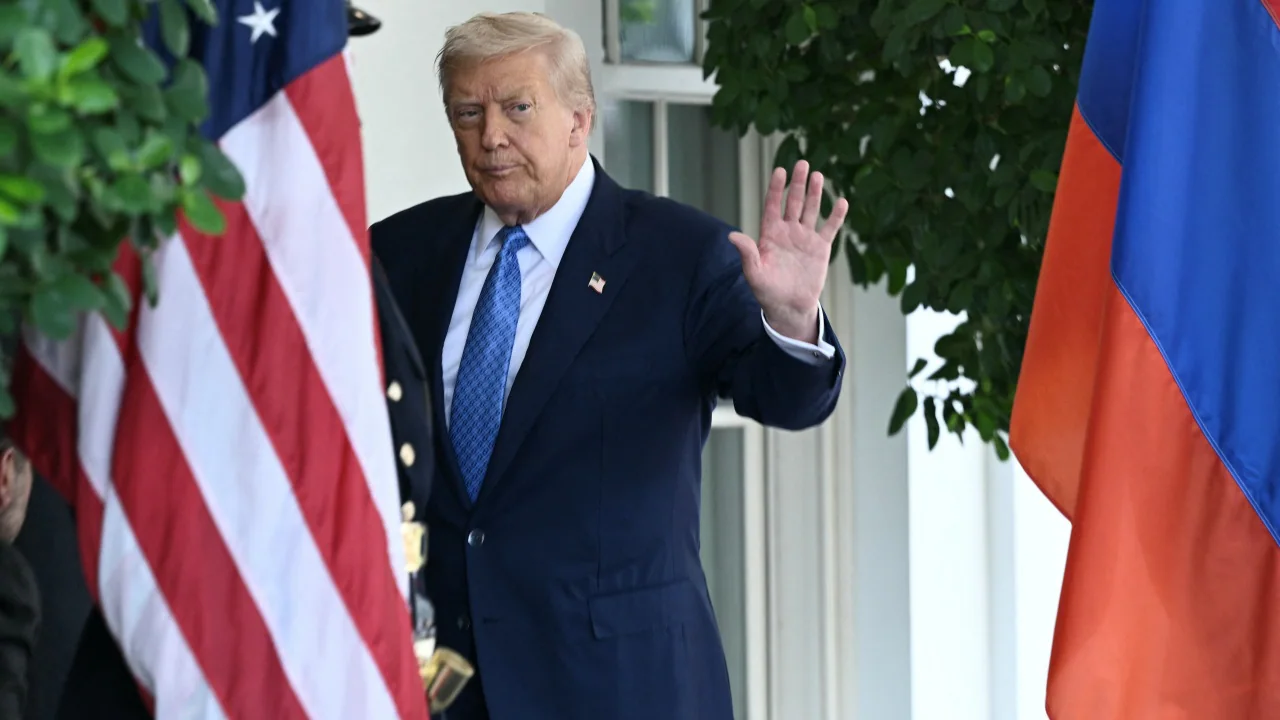
Former U.S. President Donald Trump convened a high-level meeting this week to discuss the ongoing Gaza conflict, signaling his continued interest in Middle East policy even after leaving office. The meeting, which included former British Prime Minister Tony Blair and Trump’s senior adviser and son-in-law Jared Kushner, focused on strategies for ending hostilities and shaping a sustainable peace framework.
Why This Meeting Matters
The Gaza conflict remains one of the most complex and volatile issues in international politics. Recent escalations have sparked humanitarian concerns, with civilian casualties and infrastructure damage dominating headlines. Against this backdrop, Trump’s engagement in policy discussions—despite no formal role in government—has raised eyebrows in Washington and beyond.
Trump’s previous administration played a pivotal role in Middle East diplomacy, brokering the Abraham Accords, which normalized relations between Israel and several Arab nations. His renewed involvement suggests an attempt to position himself as a key influencer on global security issues ahead of a potential political comeback.
Who Was at the Table?
The meeting reportedly brought together figures with extensive experience in Middle Eastern affairs:
- Tony Blair, former U.K. Prime Minister, who served as the Quartet’s envoy to the region.
- Jared Kushner, Trump’s former White House adviser and architect of the Abraham Accords.
- Senior policy advisers and diplomats, who remain aligned with Trump’s foreign policy vision.
Their discussions centered on humanitarian aid corridors, ceasefire negotiations, and long-term governance solutions for Gaza. While no official statements were released, insiders suggest that Trump advocates for a security-first approach coupled with economic incentives to foster stability.
Implications for U.S. Foreign Policy
Though Trump currently holds no office, his involvement in high-level discussions could influence both Republican foreign policy platforms and broader diplomatic discourse. Supporters argue that his prior success in brokering peace deals lends credibility to his approach, while critics question the appropriateness of private diplomacy by a former president.
If Trump reenters the political arena in 2028, his stance on the Middle East will likely become a centerpiece of his campaign narrative—particularly in contrast to the current administration’s policies.
The Bigger Picture: What’s Next for Gaza?
The Gaza conflict continues to draw international concern. Key challenges include:
- Humanitarian Relief: Ensuring aid reaches civilians amid ongoing blockades.
- Security Guarantees: Preventing renewed violence through credible ceasefire mechanisms.
- Political Governance: Establishing a roadmap that balances Palestinian autonomy with Israeli security needs.
Whether Trump’s informal talks will translate into actionable solutions remains uncertain. However, his continued engagement underscores the enduring complexity of the Gaza issue and the global appetite for innovative diplomatic strategies.