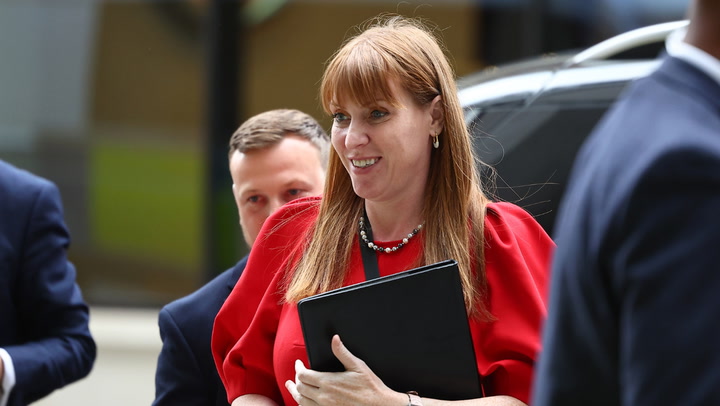
Deputy Prime Minister Angela Rayner is facing mounting scrutiny over allegations that she may have avoided paying stamp duty during a property purchase in Hove. Critics claim the move could have saved her up to £40,000, sparking a political firestorm and raising questions about transparency, tax obligations, and the conduct of senior officials.
What is Stamp Duty?
Stamp Duty Land Tax (SDLT) is a tax levied on property transactions in England and Northern Ireland. It applies when someone buys land or property above a certain price threshold.
- For primary residences, buyers pay SDLT on properties worth over £250,000 (rates vary by band).
- For second homes or investment properties, an additional 3% surcharge is applied on top of the standard rate.
The purpose of SDLT is to generate revenue and discourage speculative buying, ensuring fairness in the property market.
The Allegation Against Angela Rayner
Reports allege that Angela Rayner purchased a Hove flat while already owning another property, potentially making the flat a second home under SDLT rules. If so, she should have paid the 3% surcharge on top of standard stamp duty. However, documents suggest she may not have declared it as a second home, thus avoiding the extra cost.
Critics argue this maneuver—if deliberate—contradicts the principles of fairness Rayner often champions. Supporters counter that the transaction complied with legal guidelines, and no evidence of wrongdoing has been established.
Rayner’s Response
Angela Rayner has dismissed the allegations as “politically motivated smears.” Her office maintains that the purchase was conducted in full compliance with HMRC rules, and no additional duty was owed. Legal experts have also weighed in, suggesting that the definition of a “main residence” can be nuanced, especially in cases involving separation, family arrangements, or temporary relocations.
Why It Matters
The issue has sparked a heated debate for several reasons:
- Public Trust: As Deputy PM, Rayner is expected to uphold the highest ethical standards.
- Financial Transparency: Questions about property dealings and tax obligations resonate strongly with voters.
- Political Optics: Rayner has long positioned herself as a champion of working families—making allegations of tax avoidance particularly damaging.
The Bigger Picture
This controversy highlights the complexity of SDLT rules and the ease with which high earners or political figures can appear to benefit from loopholes. It also underscores a recurring theme in British politics: tax controversies often become political weapons in an era of heightened scrutiny.