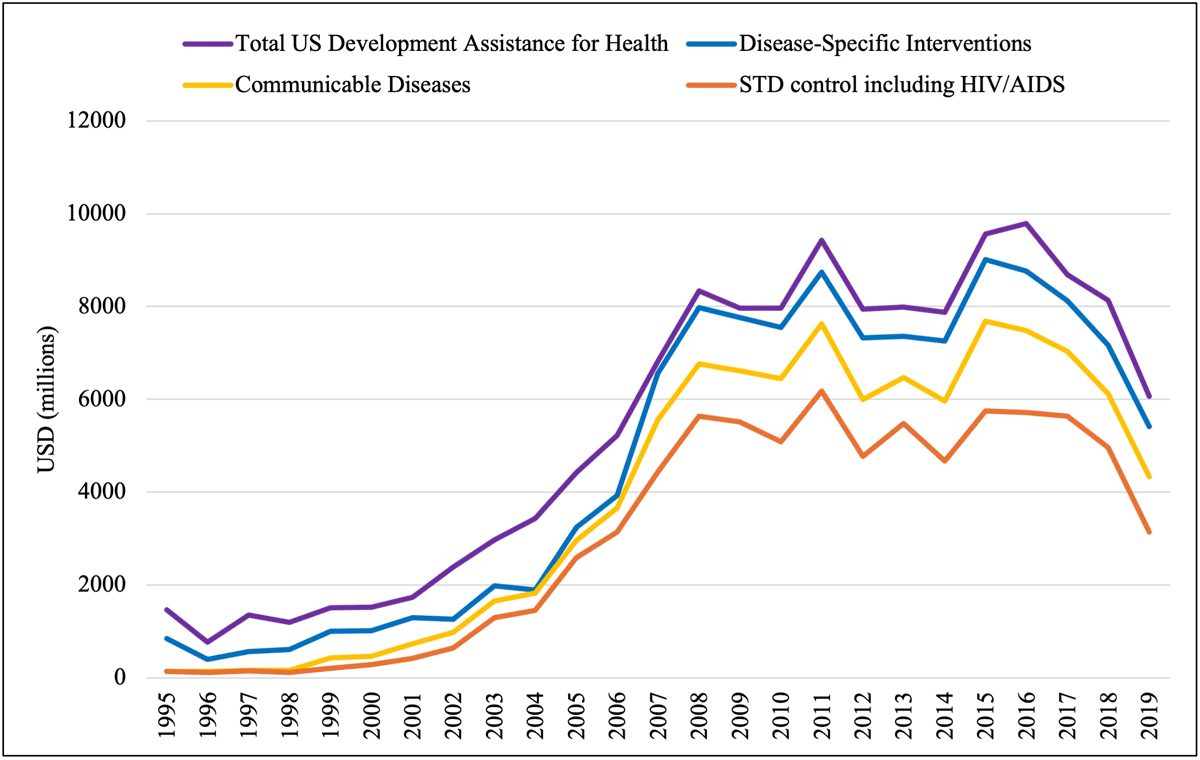
Foreign aid, especially from long-standing donors like the United States, has contracted significantly, leaving multilateral organizations scrambling to bridge funding gaps. The Global Fund to Fight AIDS, Tuberculosis and Malaria is one such organization feeling the impact. As of now, the Fund faces an estimated $1.4 billion shortfall, jeopardizing its ability to honour existing grant commitments for 2025–2026.
Redirecting Resources: Who Is Affected?
To manage this crisis, the Global Fund has already communicated potential grant cuts—averaging 11% reductions—to multiple recipient countries. Among these:
- Nigeria: Allocation cut from approximately $970 million to $860 million, an 11% reduction. Lawmakers are urging the government to mobilize domestic resources to fill the gap.
- Kenya: Allocation reduced from ~$408 million to ~$354 million—a loss exceeding $50 million. Priority is being placed on promising interventions like the early adoption of injectable HIV prophylaxis (Lenacapavir)—a strategic shift despite reduced funds.
- South Africa: Funding cut by R1.4 billion (about 16%), with revised allocations from R8.5 billion to ~R7.1 billion. Over 200 grants globally have been revised, affecting other countries as well—Mozambique (‑12%), Malawi (‑8%), Zimbabwe (‑11%).
A Strategic Pivot to the Poorest, Most Vulnerable
Global Fund CEO Peter Sands has acknowledged the funding crisis and outlined a deliberate shift in strategy: prioritizing the most vulnerable countries that lack domestic alternatives, particularly those grappling with conflict, extreme poverty, climate crisis, and disease burdens—places like Sudan, where humanitarian needs are immense. Simultaneously, the Fund is heavily reliant on fulfilling donor pledges for its 2027–2029 funding cycle—targeting $18 billion—but the volatile donor climate casts doubt over achieving this goal.
The Stakes: Saved Lives and Sustained Progress at Risk
Despite the funding turbulence, the Global Fund reports record access to prevention and treatment tools in 2023 and credits its efforts with saving 70 million lives since 2002.Still, without increased funding, this progress hangs in the balance.
The $1.4 billion shortfall and the prospect of 11% average grant reductions signal widening inequities and the potential rollback of hard-won health gains. The ripple effect of such cuts could include:
- Greater disease transmission due to interrupted treatment.
- Reduced access to lifesaving medicine and prevention tools.
- Strain on fragile healthcare systems in poor and conflict-affected regions.
A Call to Action for Governments and Donors
To safeguard progress:
- Donor governments must urgently fulfill their pledges and invest in renewed global health financing.
- Recipient governments need to bolster domestic health financing—through increased health budgets and innovative financing mechanisms.
- Global Fund and partners must continue prioritizing the most vulnerable, ensuring efficient resource allocation and transparency.