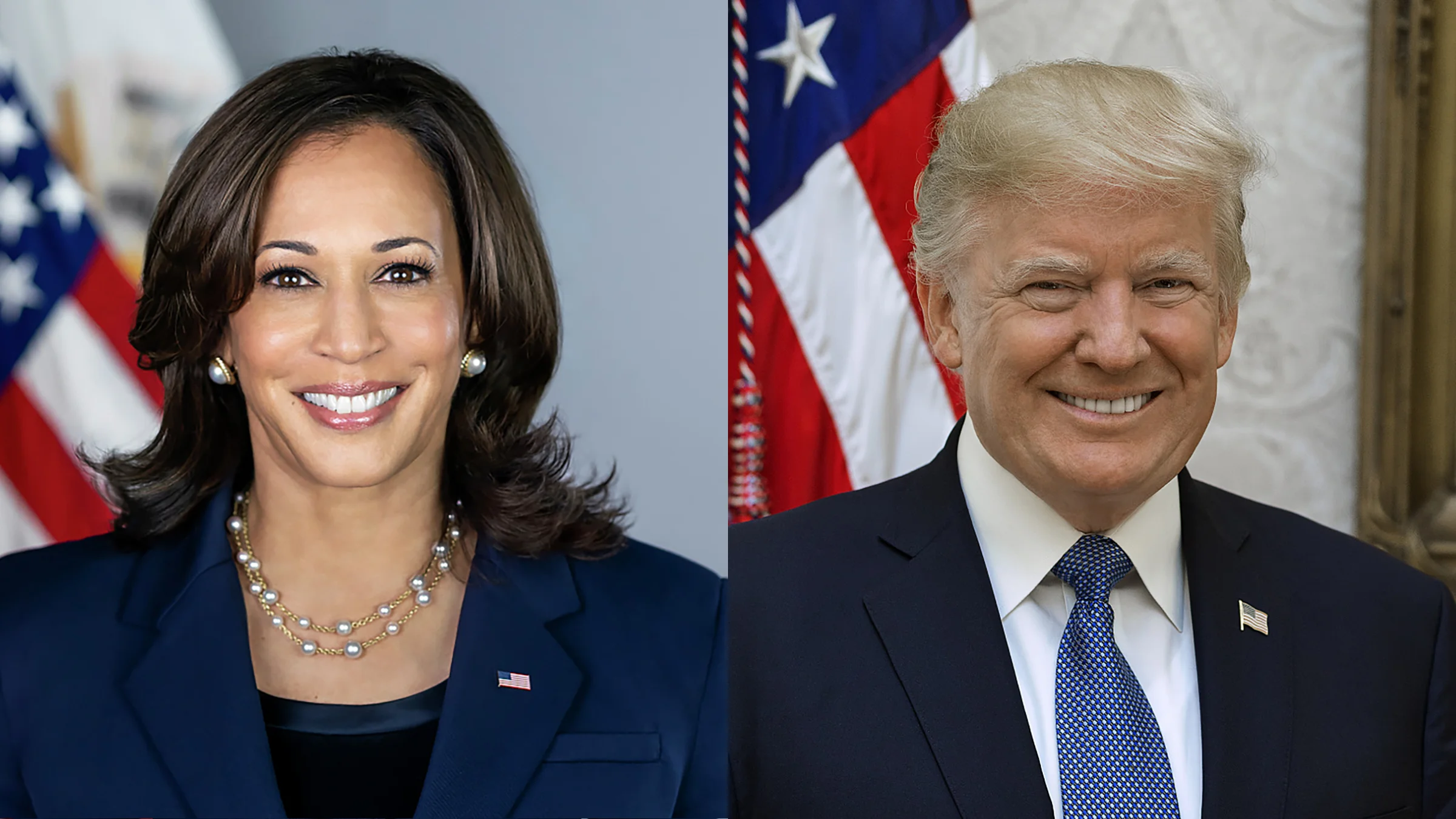
The 2024 presidential race was already shaping up to be a historic rematch between Vice President Kamala Harris and former President Donald Trump. But what no one anticipated was that the Secret Service—the very agency tasked with protecting these candidates—would become the center of an unprecedented political storm. Allegations, leaked memos, and partisan outrage have turned what was once a procedural matter into a full-blown national controversy.
So, what happened? Why is Secret Service protection now a battleground in America’s most heated election cycle? Let’s break it down.
How the Secret Service Became a Political Flashpoint
The controversy erupted after reports surfaced that Donald Trump was demanding expanded Secret Service protection, citing escalating security threats at campaign rallies. While former presidents are entitled to lifetime Secret Service detail, the nature and scope of the requested enhancements raised eyebrows. Critics allege Trump wanted quasi-military-level security measures, including larger protective perimeters and increased tactical support at his rallies—requests that some say resemble a political show of force rather than a safety necessity.
Meanwhile, Harris, as a sitting Vice President and now a presidential candidate, already enjoys maximum Secret Service protection. But Trump’s demands sparked allegations that the Biden administration was using the Secret Service as a political tool—deliberately stalling Trump’s requests to create vulnerability and weaken his campaign.
What Triggered the Outrage?
The firestorm began with a leaked internal memo from the Department of Homeland Security, suggesting officials were “reviewing resource allocation requests for non-active government officials.” Trump’s team seized on the language, claiming it was evidence of a deliberate attempt to “strip protections” and compromise his safety.
Conservative commentators amplified the narrative, accusing the White House of playing politics with Trump’s life. Social media lit up with hashtags like #ProtectTrump and #SecretServiceGate, fueling a partisan frenzy.
On the other side, Democratic strategists argue that Trump’s demands are unprecedented and excessive, calling them an “abuse of taxpayer dollars” for political theater. Some even accuse him of manufacturing the controversy to rally his base and dominate the news cycle.
The Rules: What Does the Law Say?
According to U.S. law, the Secret Service provides lifetime protection to former presidents, their spouses, and minor children. Presidential and vice-presidential candidates also receive protection, usually after nomination. However, the scope and scale of that protection are determined by threat assessments conducted by security agencies—not by personal preference.
Trump’s critics argue that his requests went beyond standard protocols, including requests for military-style vehicles and extended no-fly zones over campaign events. These measures, they claim, are not only costly but also symbolically align with Trump’s strongman narrative, potentially blurring the line between campaign security and political messaging.
Kamala Harris’s Position in the Controversy
Harris has largely stayed silent on the issue, but her team has subtly framed Trump’s demands as an attempt to “weaponize security for political optics.” Insiders say Harris’s camp views the controversy as an opportunity to highlight Trump’s penchant for authoritarian aesthetics, contrasting it with Harris’s image of “steady leadership under the rule of law.”
However, Harris isn’t immune from scrutiny. Some critics suggest the administration’s slow response to Trump’s security requests may give credence to claims of partisanship, even if unintended. The optics of a sitting Vice President appearing to have more robust protection than her rival are politically explosive, particularly in a polarized environment.
Public Reaction: Outrage, Memes, and Conspiracy Theories
The controversy has ignited a cultural firestorm online.
- Trump supporters see this as another example of the “deep state” targeting Trump, calling it an assassination by neglect.
- Democrats dismiss the uproar as a manufactured scandal, arguing Trump’s demands are excessive and politically motivated.
- Conspiracy theorists have gone further, spinning narratives about a “Secret Service coup” and questioning whether rogue agents could play a role in the election outcome.
On TikTok and X (formerly Twitter), videos comparing Trump’s rallies with Harris’s events have gone viral, with captions like: “Why does SHE get the army while HE gets the shaft?”
The Political Fallout
For Trump, the controversy plays perfectly into his anti-establishment narrative. He’s using it to mobilize his base, fundraise aggressively, and frame himself as a martyr of the system. Already, his campaign has launched ads featuring ominous footage of Secret Service agents and dramatic voiceovers about “security denied.”
For Harris, the strategy appears to be restraint and focus—avoiding direct engagement with the scandal while emphasizing her leadership credentials. Her campaign is betting that voters will see Trump’s theatrics as a distraction from real issues like the economy, healthcare, and foreign policy.
However, this controversy could reshape the debate stage dynamics, as moderators and voters demand answers. If mishandled, it risks painting the Biden-Harris administration as petty or vindictive—a narrative Republicans are eager to exploit.
What’s at Stake?
Beyond the political theater, the stakes are alarmingly real. The 2024 election is already one of the most volatile in modern history, with both candidates facing credible security threats. Any perception of unequal or politicized protection could have devastating consequences—not just for the candidates, but for national stability.