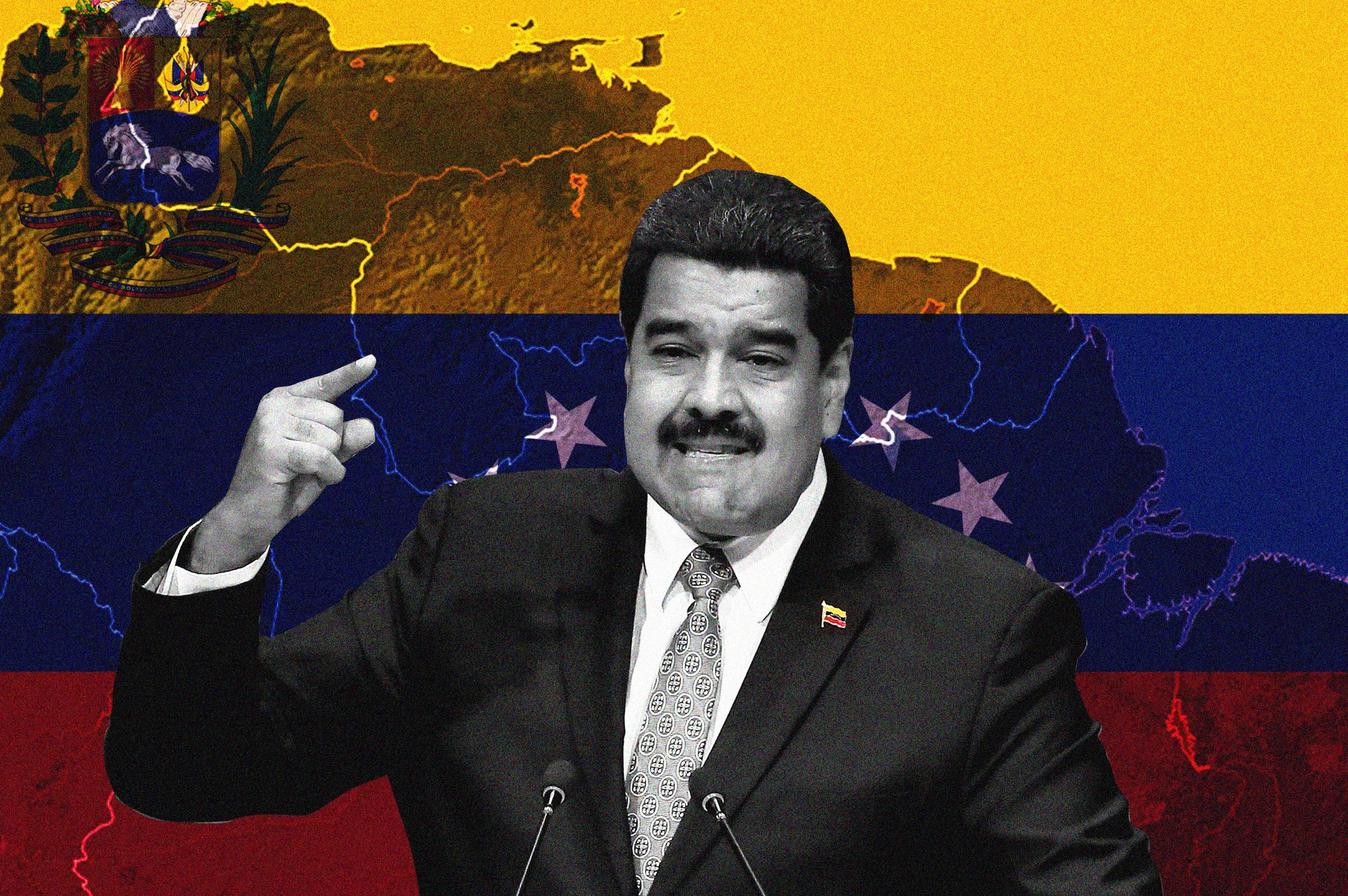
In a stunning and highly controversial development that has sent shockwaves through Latin America and the wider world, Venezuelan President Nicolás Maduro Moros was captured by United States military forces early Saturday in a large-scale strike on Venezuelan territory, then flown to New York and detained pending federal court proceedings. The extraordinary operation marks the most dramatic intervention in Venezuela since the Bolivarian Revolution began over two decades ago — and represents a new chapter in U.S.–Latin America relations.
U.S. President Donald J. Trump, in a widely watched press statement, confirmed that Maduro and his wife, First Lady Cilia Flores, were captured during a military action that he described as necessary to address “narco-terrorism networks” and restore stability in Venezuela. Trump further said the United States would assume temporary operational control of Venezuela “for a period of time” during a transitional phase — a declaration that provoked both applause and alarm across hemispheric capitals.
The capture and extrajudicial removal of Maduro — a sitting head of state — has revived historic debates about sovereignty, international law, and U.S. interventionism, echoing controversial precedents including the 1989 U.S. invasion of Panama.
The Raid: What Happened
According to U.S. officials, the operation — described by some sources as “Operation Absolute Resolve” — began at approximately 2:00 a.m. local Caracas time with coordinated strikes on military installations. Explosions were reported near the presidential palace and other key government facilities, though exact casualty figures remain disputed. Maduro, who had governed Venezuela since 2013, was reportedly captured alive.
Once detained, Maduro and Flores were transported out of Venezuela under U.S. military escort and brought to the Metropolitan Detention Center in Brooklyn, New York, where they are expected to appear before a federal judge on multiple criminal charges.
U.S. authorities indicate that the charges include narco-terrorism conspiracy, cocaine importation conspiracy, possession of machineguns and destructive devices, and conspiracy against U.S. sovereignty — a sweeping indictment that accuses Maduro of decades of criminal collusion with international drug trafficking networks.
The indictment’s release alleges Maduro and members of his administration coordinated cocaine shipments with the Cartel of the Suns, collaborated with Colombian guerrilla groups, and used state resources and diplomatic cover to facilitate narcotics transportation.
Immediate Aftermath in Venezuela
In the chaotic hours following the raid, Venezuela’s Supreme Tribunal of Justice invoked constitutional measures to maintain continuity of governance, appointing Vice President Delcy Rodríguez as interim president. Rodríguez — a long-time Maduro loyalist — took office amidst widespread confusion and declared a national emergency, demanding immediate proof of life for Maduro and Flores.
In Caracas, reactions ranged from jubilant celebrations among opposition supporters to fierce protests by Maduro loyalists. Eyewitnesses reported explosions, power outages, and heavy U.S. military activity in key urban districts. Streets near the presidential palace and central plazas saw both mourning and defiant demonstrations, underscoring deep national division.
Global Reactions: Division and Diplomatic Shockwaves
World leaders’ reactions to the U.S. action were immediate and polarized.
Criticism and Condemnation
- France and the European Union decried the military strikes as violations of international law, arguing that external military action cannot substitute for internal political processes.
- China expressed “deep shock” and strongly condemned the use of force against a sovereign government.
- Brazilian President Luiz Inácio Lula da Silva said the intervention crossed an “unacceptable line” and threatened regional stability, while Mexico warned it sets a dangerous precedent for neighboring nations.
- Belarus and other allies of Caracas denounced the action as imperialist aggression.
Support and Conditional Approval
- Argentina’s far-right leader Javier Milei praised the removal of Maduro as a “win for freedom.
- Venezuelan opposition leader María Corina Machado celebrated the capture, calling it the “hour of freedom” and signaling readiness to form a transitional government with recognized leadership.
The United Nations Security Council has scheduled an emergency session to discuss the legality and implications of the U.S. action. Legal scholars and diplomats have expressed concern about the precedent of apprehending a sitting head of state through military force without clear U.N. authorization.
Background: Maduro’s Controversial Rule
To understand the historical weight of this moment, it’s essential to consider Maduro’s political trajectory and the deep crises that marked his presidency.
From Bus Driver to President
Nicolás Maduro began his political career in union activism and rose through the ranks of Venezuela’s socialist movement under President Hugo Chávez, whom he succeeded after Chávez’s death in 2013. Despite modest roots, Maduro quickly ascended to the presidency and reshaped Venezuelan governance.
Economic Collapse and Social Strife
Under Maduro, Venezuela experienced one of the worst economic collapses in the Western Hemisphere. Hyperinflation, shortages of basic goods, and the erosion of public services forced millions to emigrate. At its peak, the crisis prompted a massive diaspora and fueled political tensions.
Disputed Elections and Constitutional Crisis
Maduro’s 2025 re-election — widely condemned by Western nations for lack of transparency — further deepened division. The U.S. and European legislatures refused to recognize the results, while the Venezuelan opposition, led by candidates like Edmundo González and María Corina Machado, rejected the legitimacy of the process.
Political repression, mass detentions after protests, and ongoing censorship of media created an atmosphere of polarization that, by late 2025, had escalated into an international standoff.
U.S. Pressure and Rising Tensions
Over recent months, the U.S. intensified measures against Maduro’s government, including strikes on drug trafficking infrastructure, seizing vessels tied to Caracas, and raising arrest bounties tied to narco-terrorism allegations.
Efforts at diplomatic engagement, including Maduro’s own overtures to negotiate with Washington over drug trafficking cooperation, were overshadowed by mounting tension and mistrust.
Implications for Venezuela’s Future
Political Transition in Limbo
With Maduro detained in the U.S. and Delcy Rodríguez as interim president, Venezuela enters uncharted political territory. Rodríguez has pledged continuity of governance but faces legitimacy questions both domestically and internationally.
Opposition figures like Machado assert readiness to lead a transitional government aimed at restoring democratic norms, releasing political prisoners, and rebuilding institutions.
International Law and Sovereignty
Legal authorities worldwide are debating whether the U.S. operation violated international law. Critics argue that capturing a head of state without U.N. approval undermines the Westphalian concept of sovereignty. Even some critics of Maduro worry that such interventions could destabilize norms governing international relations.
A U.N. review and possible International Court of Justice (ICJ) proceedings are likely.
Regional Security and Economic Shockwaves
Latin American governments now face a recalibration of alliances. Left-leaning states like Bolivia and Cuba reaffirm solidarity with Venezuela, while others emphasize the need to protect democratic processes and avoid military escalation.
Economically, Venezuela’s vast oil reserves — among the largest in the world — have become a focal point. Trump’s remarks about “getting the oil flowing” signal potential U.S. involvement in reviving Venezuela’s energy sector — a development that could realign global energy markets but provoke accusations of resource exploitation if mishandled.