On the morning of August 27, 2025—a day meant to usher in a new academic year with prayer and community—horror struck Annunciation Catholic School in south Minneapolis. At approximately 8:30 a.m., during a sacred all-school Mass, a lone gunman dressed in black unleashed a barrage of gunfire through stained-glass windows, forever altering the lives of families, educators, and an entire neighborhood
The Unthinkable Unfolds
As worshippers gathered for Mass—students, teachers, and parishioners among them—the tranquility was shattered by the sound of gunfire so intense that neighbors mistook it for roofing work. Officials estimate the shooter discharged between 50 and 100 rounds from a semi-automatic rifle, accompanied by a shotgun and a pistol. The violence that followed was rapid and ruthless.
A Cost Too Heavy to Bear
At least two children, aged 8 and 10, were killed while seated peacefully in the pews. The assault wounded a total of 17 individuals, 14 of whom were children—with two of them in critical condition in the hospital. Children’s Minnesota received five of the victims while others were treated at local Hennepin Healthcare facilities.
Shooter’s Final Act: A Murder–Suicide
Law enforcement descended quickly on the church and school. After emptying his weapons, the assailant turned the gun on himself. The suspect—a man in his early 20s with no significant criminal history—was later confirmed deceased. Authorities declared the scene secure; there was no lingering threat to the community.
Immediate Response: A City Reacts
Minneapolis Mayor Jacob Frey called the act “unspeakable,” remarking:
“Children are dead. Families are suffering… You cannot put into words the gravity of this situation.
Minnesota Governor Tim Walz offered prayers and support:
“I’m praying for our kids and teachers whose first week of school was marred by this horrific act of violence.
U.S. Secretary of Homeland Security Kristi Noem said her department was closely monitoring the situation. President Trump—briefed on the shooting—pledged to stay informed and offered thoughts and prayers via social media.A Community in Shock
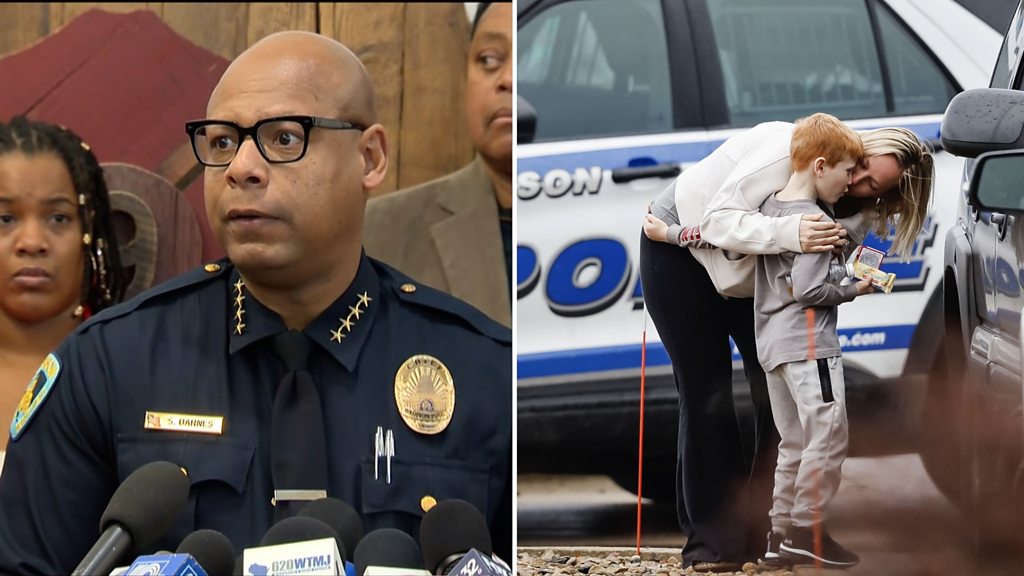
Time stood still for the small congregation, just days into the new school year. Parents, first responders, and neighbors rushed to support the frightened and wounded. A reunification zone was established; families exchanged desperate embraces as they located their loved ones.This tragedy isn’t isolated. It’s part of a troubling wave—this was the second mass shooting in Minneapolis within 48 hours, compounding national fears over school safety and the prevalence of gun violence.
The Aftermath: Questions and Healing
Investigations Begin
Federal and local agencies—including the FBI, ATF, and Minnesota Bureau of Criminal Apprehension—launched probes to uncover motive, timeline, and background of the shooter.
Trauma and Mental Health
Months of trauma support will follow. Counseling services have been activated for students, staff, and families. The emotional toll on young survivors, in particular, will last far beyond physical recovery.School Safety Redefined
This tragedy is likely to spark new scrutiny of campus security protocols, emergency response training, and mental health screening in schools across the region.Policy and Prevention Debates
With renewed urgency, state and national leaders may again grapple with gun safety legislation, mental health funding, and violence prevention. The public outcry over another school-based massacre cannot be ignored.Reflections from the Pulpit and Beyond
This shooting took place in a house of worship—a sanctuary where faith and learning intersect. The location gives this tragedy a haunting edge. It forces us to ask: how do we reconcile faith, community, and violence in spaces meant for peace?
Annunciation Catholic School had just begun its academic journey for the year—now, healing becomes the central lesson.
Hope Amid Grief
In the aftermath, stories of courage emerge. Accounts of staff guiding students to safety, first responders administering life-saving aid, and neighbors opening their doors reflect resilience amid unfathomable pain.
The path to healing will be long. Symbolic gestures—candles, memorial services, community gatherings—may offer some solace. Yet, lasting healing depends on collective action—mental health support, gun safety measures, and unwavering community solidarity.